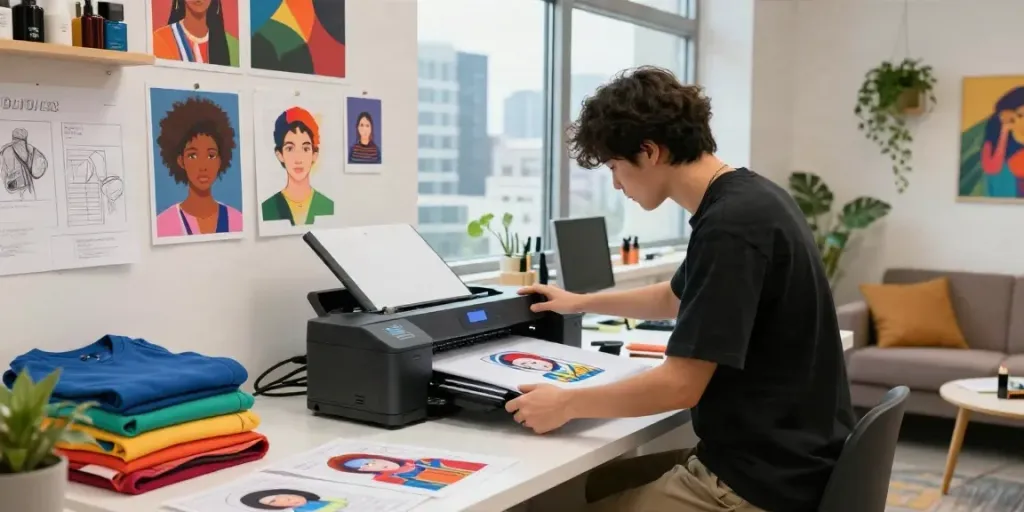
Understanding DTF Printing Technology
As the textile printing industry evolves, the demand for versatile and efficient printing solutions continues to rise. DTF (Direct-to-Film) printing technology is carving out a significant niche in this landscape, offering businesses opportunities to produce high-quality prints on various fabrics. With the ability to print on materials such as cotton, polyester, spandex, and even denim, DTF printers are becoming a go-to choice for custom apparel creators. When exploring options, imprimante dtf france provides comprehensive insights into the features and benefits of these innovative machines.
What is a DTF Printer?
A DTF printer is an advanced printing machine that utilizes proprietary DTF ink and a special film (commonly PET) to transfer vibrant images onto various textiles. Unlike traditional printing methods, DTF technology allows printers to produce high-resolution graphics that maintain their brilliance even after washing. This capability is essential for businesses focusing on custom T-shirt production, as it enables them to cater to a diverse clientele with different fabric needs.
How DTF Printing Differs from DTG Printing
Direct-to-Garment (DTG) printing and DTF printing share similarities, but key differences set them apart. DTG printers apply ink directly onto the garment using inkjet technology, which works exceptionally well on cotton fabrics. However, DTF printing offers greater versatility, allowing for printing on a wider array of materials, including synthetic blends. Additionally, DTF prints can be transferred off-film, enabling easier applications and reduced ink waste.
Technology Behind DTF Printers
The technology behind DTF printers involves several steps: first, the design is printed onto a special film using DTF-compatible ink. Next, an adhesive powder is applied to the wet ink, and the film is cured in a heat press to secure the powder. Finally, the film is transferred onto the fabric using heat, resulting in vibrant, durable prints. This process not only streamlines production but also offers superior flexibility in design choices.
Benefits of Using an Imprimante DTF France
Choosing an imprimante DTF in France provides numerous advantages for businesses looking to enhance their textile printing capabilities. The combination of cost-effectiveness, quality, and versatility makes DTF printing a compelling choice.
Quality of Transfers Compared to Other Methods
One of the standout benefits of DTF printing is the quality of the final product. DTF transfers are known for their ability to capture intricate details and vibrant colors, which can sometimes be challenging to achieve with other methods like DTG or screen printing. The prints made with DTF technology are not only visually striking but also maintain their quality through multiple washes, offering longevity that is crucial for customer satisfaction.
Cost-Effectiveness for Businesses
For small to medium-sized businesses, cost is always a significant concern. DTF printing systems often provide a more affordable entry point compared to other printing technologies like DTG. The ability to print on-demand reduces waste and helps businesses manage their inventory more effectively. Furthermore, DTF printers often have lower material costs, as the inks and films can be more economical than those used in DTG printing.
Environmental Considerations
As sustainability becomes increasingly important, businesses are seeking printing solutions that minimize their environmental impact. DTF printing technology offers advantages in this area, as it generally uses less water than traditional methods. Additionally, the reduced waste associated with on-demand printing and the ability to produce fewer defective products contribute to a greener printing process.
Choosing the Right DTF Printer for Your Needs
Finding the perfect DTF printer depends on your specific requirements and business goals. Here are some factors to consider when making your choice.
Key Features to Look For
- Print Size: Larger print areas allow for greater versatility in designs.
- Ink Quality: Ensure the printer uses high-quality, vibrant inks for optimal results.
- Ease of Use: A user-friendly interface can significantly simplify the learning curve.
- Support and Warranty: Consider a machine that offers good customer support and a solid warranty.
Comparing Different Models and Brands
The market offers a variety of DTF printer options, with differences in features, price points, and capabilities. Researching and comparing multiple models can be beneficial. Look for customer reviews, expert opinions, and technical specifications to determine which DTF printer aligns best with your business needs.
Budgeting for Your DTF Setup
It's essential to account for not just the initial investment in a DTF printer but also for ongoing costs such as ink, film, and maintenance. Creating a comprehensive budget will help you manage your expenses effectively and ensure that your DTF printing venture is profitable from the outset.
Tips for Successful DTF Printing
Implementing best practices in your DTF printing process can greatly enhance the quality of your final products. Here are some tips to consider:
Best Practices for Print Quality
- Regularly calibrate your printer to ensure color accuracy.
- Use high-resolution images for the best output quality.
- Conduct test prints to fine-tune settings before full production runs.
Common Mistakes to Avoid
As with any printing technology, avoiding common pitfalls can improve your success rates. Here are a few mistakes to watch out for:
- Using low-quality inks or materials can result in subpar prints.
- Neglecting to clean the printer heads regularly may lead to clogs and inconsistent printing.
- Skipping the pre-treatment process for fabrics that require it can affect adhesion and print longevity.
Real-World Case Studies
Exploring how other businesses have successfully implemented DTF printing can provide valuable insights. Many companies have shared their experiences, from improved efficiency to enhanced product offerings, emphasizing the adaptability of DTF printers in meeting diverse customer demands.
Future Trends in DTF Printing and Custom Apparel
The future of DTF printing holds exciting opportunities as technology continues to evolve and consumer preferences shift. Staying informed and adaptable can give businesses a competitive edge.
Emerging Technologies in Printing
Rapid advancements in printing technology, such as faster curing times and improved ink formulations, promise to enhance the capabilities of DTF printers. Companies investing in these innovations can expect improved productivity and quality, allowing them to keep pace with a dynamic market.
Market Predictions for 2026 and Beyond
Industry experts predict that DTF printing will grow significantly in the coming years, driven by the demand for customization and the ability to produce short runs of apparel. Businesses that embrace this trend will likely see increased revenue opportunities and customer engagement.
How to Stay Ahead of Industry Changes
Continuous education and adaptation are crucial for success in the fast-paced printing environment. Attend industry trade shows, participate in workshops, and engage with online communities to stay informed about the latest developments and trends.
What is the price of a DTF printer?
The price of a DTF printer can vary widely based on its capabilities and brand. Entry-level models suitable for small businesses can start at around €1,500, while high-end models can exceed €20,000, depending on advanced features and production capabilities.
Where can I find DTF printers in France?
DTF printers are available through various suppliers and online retailers in France. Exploring dedicated printing equipment websites can provide a comprehensive overview of available models and pricing.
What features should I consider when buying a DTF printer?
Key features to look for include print resolution, speed, ease of use, and compatibility with different materials. Assessing these factors will help you choose a printer that meets your specific needs.
How does DTF printing compare to other printing methods?
DTF printing offers several advantages over traditional methods like DTG and screen printing, such as greater versatility, higher quality prints on various fabrics, and cost-effectiveness for lower production runs.
What are the advantages of using DTF over DTG printing?
DTF printing stands out for its ability to print on a wider range of fabrics, including synthetics and blends, and its capability to produce vivid colors and intricate designs while maintaining lower production costs.