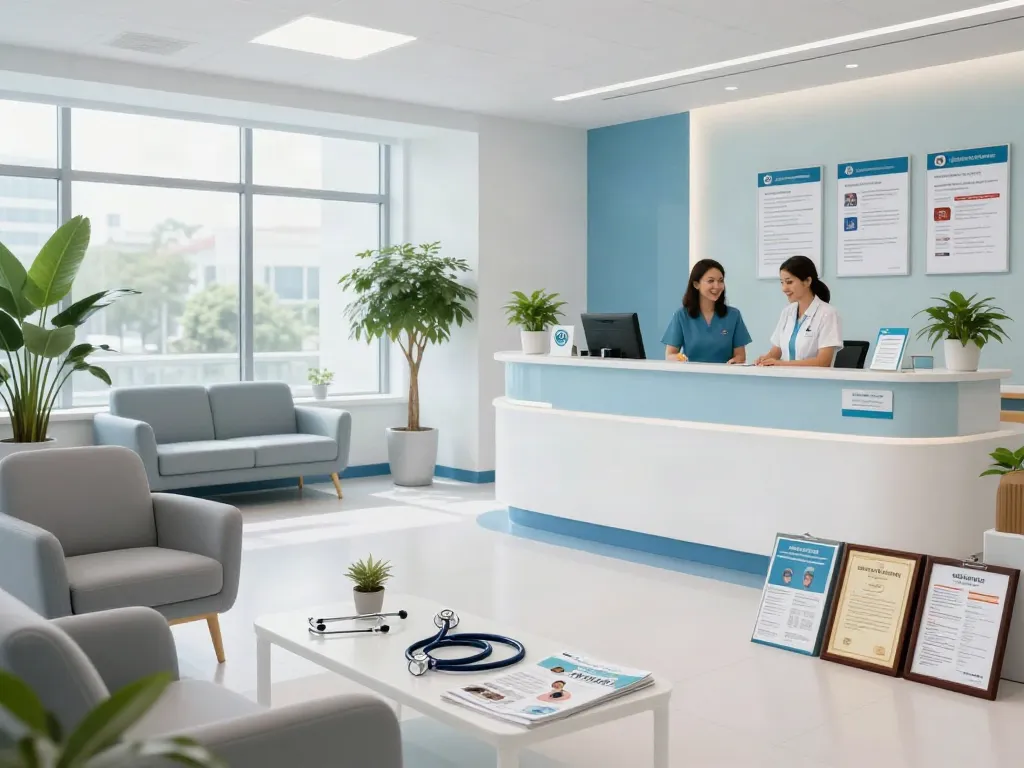
Understanding Patient Care: The Cornerstone of Health Services
In today’s fast-paced healthcare environment, patient care has emerged as a crucial factor that determines health outcomes. Understanding the principles of patient care not only improves individual health but also enhances the overall quality of healthcare systems. Effective patient care incorporates various elements, such as comprehensive assessments, empathy, and collaboration among healthcare professionals. A well-informed patient is far more likely to engage in preventive care and adhere to treatment plans, thereby improving their health outcomes. When exploring options, situs slot provides comprehensive insights on healthcare services and access.
What to Expect During Your First Doctor Consultation
Your first visit to a healthcare provider can be both exciting and nerve-wracking. Understanding what to expect can alleviate some anxiety. Typically, you will undergo an initial assessment where the doctor will review your medical history, perform a physical examination, and discuss any specific concerns you may have. This consultation lays the groundwork for future interactions and treatments. It's essential to be open about your symptoms, medications, and lifestyle to allow for accurate diagnosis and planning.
The Importance of Compassionate Patient-Centered Care
Compassionate care is at the heart of effective patient-centered health services. This approach prioritizes the patient’s preferences, needs, and values, ensuring that care plans align closely with individual circumstances. Studies have shown that compassionate interactions between healthcare providers and patients can significantly enhance patient satisfaction and compliance, leading to better health outcomes. Moreover, patients who feel respected and heard are more likely to engage in preventative measures and follow treatment protocols.
Evidence-Based Practices in Primary Care Settings
Evidence-based medicine (EBM) refers to the conscientious use of the best current evidence in making decisions about the care of individual patients. This approach combines clinical expertise, patient values, and the best available research information. In primary care settings, implementing EBM encourages better outcomes and ensures that treatment protocols remain relevant to contemporary health concerns. EBM is crucial as it provides a framework for standardizing care, reducing unnecessary exams and procedures, and focusing on the most effective interventions.
Innovations in Telemedicine: Improving Access to Care
Telemedicine has revolutionized the delivery of healthcare services, particularly evident during and post-pandemic. As technology continues to evolve, so does the opportunity for patients to receive the medical care they need from the comfort of their homes. The expansion of telehealth services allows for more accessible healthcare, reducing barriers such as distance, mobility issues, and time constraints. This evolution elevates the standard of care by making it more adaptable and responsive to patient needs.
The Growth of Telehealth Services in 2026
In 2026, telehealth services have become a standard fixture in healthcare solutions. This growth is driven by increasing consumer demand for remote care options, especially in rural and underserved communities. The convenience of scheduling visits, eliminating travel, and accessing specialized care from any location has made telehealth attractive to both patients and providers. As policies evolve and reimbursement models adapt, expect to see even more comprehensive telehealth strategies integrated into conventional medical practices.
Benefits of Remote Consultations for Patients
Remote consultations offer several advantages, such as increased convenience, reduced travel time, and the ability to consult with specialists who might not be available locally. Patients can schedule virtual appointments that fit their busy lifestyles without the hassle of waiting rooms or long commutes. Moreover, telehealth can provide a safe environment for individuals who may be immunocompromised or those who prefer to manage their health from home due to anxiety or mobility limitations.
Ensuring Privacy and Security in Telemedicine
As telehealth services expand, ensuring patient privacy and security remains paramount. Healthcare providers must adhere to strict regulations, such as the Health Insurance Portability and Accountability Act (HIPAA), to protect sensitive patient information. Encryption technologies, secure video conferencing platforms, and patient education on digital security are vital components of maintaining confidentiality in telemedicine. It is essential for patients to be aware of these practices to foster trust in remote healthcare services.
Preventive Health and Wellness Screenings for All Ages
Preventive health measures are critical components of maintaining overall well-being and managing disease risk. Regular screenings can detect potential health issues before they become more serious problems. They can also offer opportunities for health education and lifestyle modification. Understanding the recommended screenings for various age groups can empower patients to take charge of their health.
Essential Screenings for Adults: What You Need to Know
Adults are encouraged to stay on top of various health screenings, including blood pressure checks, cholesterol levels, diabetes screening, and cancer screenings such as mammograms and colonoscopies. Each of these screenings plays a valuable role in early detection and management of health conditions. Understanding frequency recommendations can help adults navigate their health better, tailoring their healthcare habits according to their risk factors and family history.
Pediatric Health Screenings: A Lifelong Benefit
Pediatric health screenings are instrumental in ensuring optimal development in children. Regular check-ups during infancy and childhood allow healthcare providers to monitor growth and developmental milestones, provide vaccinations, and screen for potential chronic conditions. Early identification of issues in childhood can lead to interventions that significantly improve quality of life as the child grows. Parents should be proactive about scheduling these visits and discussing their child's health with pediatricians.
Geriatric Care: Tailored Screenings for Older Adults
As individuals age, their health needs can change dramatically. Geriatric care focuses on the unique medical challenges faced by older adults, encompassing not only routine screenings, such as blood pressure and cholesterol checks, but also assessments for cognitive decline, osteoporosis, and other age-related conditions. Tailored health plans and screenings designed for this age group are effective in managing complex health issues and maintaining a high quality of life.
Mental Health Awareness: Breaking the Stigma in 2026
Mental health has gained increasing recognition as a critical component of overall health in recent years. Effective management of mental well-being requires understanding its importance and addressing the stigma surrounding mental health issues. The integration of mental health care into primary care settings is vital for holistic health, ensuring more individuals receive appropriate support and treatment.
Understanding the Importance of Mental Health Treatment
Mental health treatment is essential for fostering emotional and psychological well-being. Conditions such as anxiety, depression, and substance abuse can significantly impact daily functioning and quality of life. Early intervention and consistent treatment can make a considerable difference in a person's mental health trajectory, leading to improved outcomes and resilience. Patients should feel encouraged to seek help without fear of judgment, promoting a supportive environment.
Resources for Patients Seeking Mental Health Support
A wealth of resources is available for those seeking mental health support, ranging from community-based programs and online therapy platforms to hotlines and mental health apps. It is critical for patients to know that effective treatment can take many forms, and finding the right fit for their needs may involve exploring various options. Maintaining an open dialogue with healthcare providers about mental health concerns is the first step toward achieving better mental wellness.
Innovative Approaches to Mental Wellness
Innovative therapies, such as teletherapy, mindfulness training, and integrative approaches combining physical health and mental well-being, are reshaping mental health treatment methods in 2026. These approaches are placing a greater emphasis on personalized care, where treatments cater to an individual’s specific needs and preferences. Patients are encouraged to be active participants in their mental health care, collaborating with professionals to design strategies that resonate with them.
Chronic Disease Management: Empowering Patients for Better Health
Chronic disease management is essential for empowering patients to take control of their health conditions. With around 60% of adults living with at least one chronic condition, it is vital that patients receive education, resources, and support to manage their health effectively. Collaborative care models that involve multi-disciplinary teams facilitate better health outcomes and foster a patient-centered approach.
Understanding Chronic Illness: A Patient-Centric Approach
Living with a chronic illness requires a fundamental understanding of one's health condition. Educating patients about their diagnoses—such as diabetes, hypertension, or heart disease—helps them to realize the importance of lifestyle modifications, medication adherence, and regular check-ups. This patient-centric approach enables healthcare providers not only to treat symptoms but also to support patients in making informed decisions about their health.
Tools and Resources for Managing Chronic Conditions
Various tools and resources can aid patients in managing chronic conditions effectively. From mobile health applications that assist with medication reminders to community support groups that foster connections with others facing similar challenges, these resources can lead to improved self-management. Healthcare providers should actively recommend relevant resources to equip patients with the necessary tools for success.
Collaborative Care: The Role of Healthcare Providers
Collaborative care emphasizes the roles of different healthcare professionals in managing chronic diseases. This approach involves a coordinated effort between physicians, nurses, dietitians, and mental health specialists, creating a comprehensive care model tailored to the patient's needs. Regular communication and shared decision-making enhance patient compliance and ultimately contribute to better health outcomes.
FAQs
What are the most common health screenings for adults?
Adults should consider regular screenings for conditions like obesity, diabetes, high blood pressure, and various cancers, including breast and colorectal cancers. Each of these screenings plays a significant role in preventive health.
How can I access telemedicine services effectively?
To access telemedicine services effectively, ensure you have a reliable internet connection, familiarize yourself with the technology used for virtual visits, and prepare any questions or concerns ahead of your appointment.
What mental health resources are available for support?
Many resources, including helplines, therapy apps, local support groups, and online forums, are available for mental health support. Finding the right kind of help that fits your needs is crucial for effective treatment.